
New vs Used Vehicle Content: Why It Works for Dealership SEO
See why blending new and used vehicle content attracts local shoppers and improves conversions, with a practical plan for car dealership SEO.
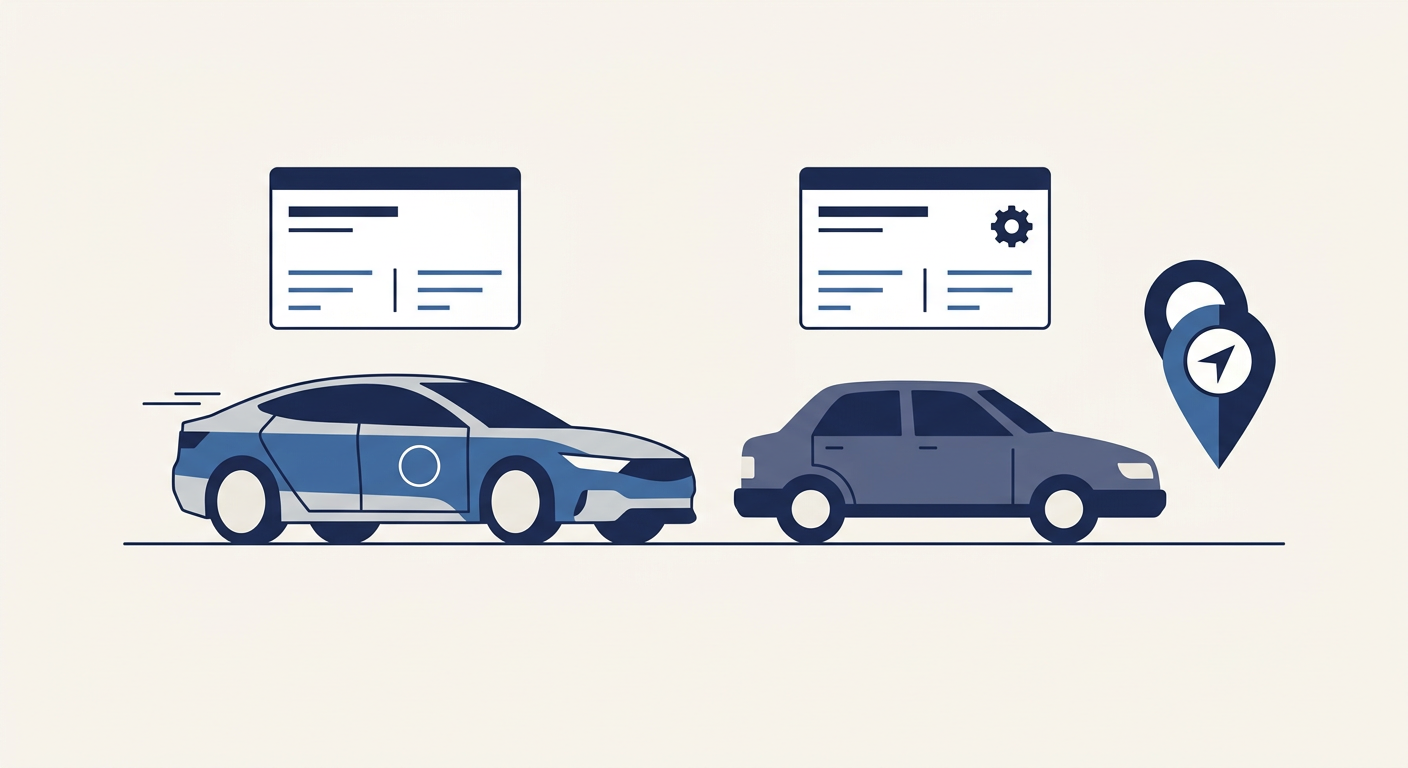
New shoppers and used shoppers search differently.
Your content should, too.
Here’s how new vs used vehicle content works together to grow organic traffic and sales.
If you’re building a car dealership SEO plan, balance matters. New-vehicle content captures brand and model research, while used-vehicle content wins high-intent local searches. The right mix aligns with your inventory and market, and it compounds results over time. Learn the foundations in our overview of car dealership SEO.
Why new vs used content matters for car dealership SEO
New-vehicle content attracts top and mid-funnel researchers comparing trims, features, and model years. It builds authority for brand terms and helps you earn visibility for upcoming releases.
Used-vehicle content meets buyers closer to a decision. These searches skew local and pragmatic—budget, mileage, reliability, and availability across multiple brands and body styles.
When you publish both, you cover the full buyer journey. You also diversify traffic so seasonality, inventory swings, and OEM news cycles don’t control your pipeline.
Search intent across new and used shoppers
Intent signals guide what you publish and where it should link.
- New-vehicle intent: "2025 [Model] trims," "[Brand] towing capacity," "[Model] vs [Competitor]".
- Used-vehicle intent: "best used SUV under [budget]," "reliable used trucks [city]," "certified pre-owned [brand] near me".
- Switcher intent: Buyers open to either new or used based on price, payment range, or features.
- Local intent: Adds city names, dealer proximity, trade-in, and service concerns.
New content wins early research. Used content wins decisions. Switcher content moves shoppers between the two when budget or timing changes.
Topic frameworks for new-vehicle content
Start with research and ownership angles tied to current and upcoming model years.
- Trim and package breakdowns: features by trim, what’s worth upgrading.
- Model-year changes: what’s new vs last year, tech and safety updates.
- Use-case deep dives: towing, cargo, commuting, winter driving.
- Model comparisons: your brand vs a popular competitor.
- Order and availability FAQs: timelines, reservations, and allocations.
- Electric and hybrid explainers: charging, range, incentives, and service.
These articles support brand authority and guide readers to the right configuration and call-to-action.
Topic frameworks for used-vehicle content
Focus on budget, reliability, condition, and local availability. This is where searchers often convert.
- Best-of lists by budget: SUVs under [price], trucks under [price].
- Buyer-fit guides: first car, family haulers, winter-ready AWD.
- Reliability spotlights: engines, transmissions, known issues to inspect.
- Mileage and maintenance explainers: what to expect at 60k/100k miles.
- Trade-in and appraisal education: what impacts value, how to prepare.
- Certification and reconditioning: what your process includes and why it matters.
If used stock is a revenue driver, publish consistently and localize aggressively. For strategy examples specific to independents, see how we approach used car dealer SEO.
New vs used content: what changes in SEO metrics
Expect different KPIs and page behaviors. That’s a feature, not a flaw.
| Aspect | New Vehicle Content | Used Vehicle Content | Hybrid/Switcher Content |
|---|---|---|---|
| Primary intent | Research/education | Decision/transaction | Compare pathways |
| Typical queries | Trim, features, vs, model-year | Budget, reliability, near me | New vs used cost, total ownership |
| SERP features | People Also Ask, images, reviews | Local pack, inventory snippets | Mixed SERP, PAA |
| Landing page types | Research articles, brand hubs | Listicles, buyer guides, local pages | Cost breakdowns, calculators |
| CTAs | Build/order, test drive, alerts | Show me options, trade-in, financing | Explore both, compare costs |
| Internal links | To model pages, comparisons, service | To SRP/VDP, trade-in, financing | To both new and used hubs |
| Local angles | Events, launches, OEM news | City terms, neighborhoods, seasons | Commute routes, insurance, taxes |
| Refresh cadence | Annual/quarterly | Quarterly/monthly | Quarterly |
New pages may see higher impressions and longer time on page. Used pages often earn higher click-through and faster lead actions.
Use both sets of signals to steer your editorial calendar rather than forcing identical goals on every article.
Map content to inventory and seasonality
Tie your calendar to what you can actually sell. If allocations are tight, lean harder into used content, trade-in education, and model-year comparison guides that keep new prospects warm.
As tax season or weather changes approach, adjust topics. Promote AWD and winter prep in colder months. Push towing and road-trip coverage in spring and summer.
Use switcher content—like total cost of ownership or certified vs used explainers—to capture buyers who might bounce between new and used based on budget or timing.
Localize it: turn generic topics into local rankings
Local angle is where much of the conversion happens. Add place, season, and commute context to otherwise generic topics.
- City and neighborhood mentions: service area pages, suburbs, and common routes.
- Local use cases: hills, snow belts, rough roads, parking constraints.
- Events and seasons: school calendar, boating season, ski trips.
- Ownership costs: insurance, registration, and taxes that vary locally.
- Dealer processes: how your inspections, trade-in, and delivery work in your region.
Aim for authenticity: local references, local photos, and internal links that guide readers to store-specific actions.
Internal linking that moves shoppers to action
Every article should point to the next best step: SRPs, VDPs, trade-in, finance, and test-drive forms. Make those contextual, not just boilerplate buttons.
From a process standpoint, define a few link patterns to reuse: research articles link to model hubs and comparisons; used buyer guides link to relevant SRPs and appraisal; switcher content links to both paths with clear copy.
If you don’t have the staff to manage this weekly, a managed dealership blog service can standardize internal links and keep CTAs aligned with your goals.
Measure impact without overcomplicating
New and used content will produce different dashboards. That’s fine. Compare like with like and set expectations up front.
- New content KPIs: impressions, non-brand exposure, time on page, assisted conversions.
- Used content KPIs: local clicks, click-to-call, form starts, trade-in tool usage.
- Switcher KPIs: bounce reduction between new/used paths, comparison page exits to inventory.
- Editorial KPIs: publish velocity, update cadence, internal link coverage.
Translate metrics into actions. If a used SUV list drives calls but ranks #5, refresh it. If a new-model trim guide ranks but doesn’t convert, improve internal links to the matching SRP/VDPs and test-drive CTA.
Publishing cadence and workflow
Cadence beats bursts. Aim for a consistent weekly or biweekly release split between new, used, and switcher content.
Systemize briefs, on-page templates, images, and internal links so posts ship fast. Rotate refreshes into the schedule so winners stay current.
Automation helps. With the right dealership SEO software, you can templatize structures, enforce internal link patterns, and keep publishing even when your team is slammed.
Common mistakes in car dealership SEO content
Most underperformance traces back to a few fixable issues.
- Publishing only brand/model news while ignoring used, budget, and local intent.
- Targeting keywords that don’t match inventory or seasonality.
- Thin comparison articles that never give a conclusion or a next step.
- Generic city lists without real local insight or proof.
- Overstuffed keywords and weak headlines that miss search intent.
- No internal links to SRP/VDP, trade-in, or financing pages.
- Neglecting refreshes for high-traffic posts, letting them decay.
Fixing these lifts both rankings and conversion quality.
A 90-day plan that blends new and used content
Use this as a starting point, then tune to your market and inventory.
- Weeks 1–2: Two new-vehicle research posts (trim guide + model-year changes). One used buyer guide (SUVs under [price]). One switcher article (new vs certified vs used costs).
- Weeks 3–4: Two used spotlights (reliable trucks + AWD sedans). One comparison (your brand vs competitor). One local angle (winter or summer prep, depending on season).
- Weeks 5–6: Refresh top performer from last quarter. Add one trade-in explainer and one finance FAQ. Publish one model-specific towing/capacity guide.
- Weeks 7–8: One best-of list by body style. One EV/Hybrid ownership explainer. One city-focused commute guide.
- Weeks 9–10: Update a used listicle with new inventory examples. Publish a model comparison and a maintenance cost breakdown.
- Weeks 11–12: Refresh another winner. Ship one switcher guide and one event/seasonal article.
Keep internal link hygiene tight. Each post should link to at least two relevant actions and one supporting article.
When to lean harder into new or used
Read your market and adjust the dial month to month.
- Lean new when allocations are strong, new tech launches, or OEM awareness campaigns surge.
- Lean used when trade volume is high, budget searches spike, or new inventory is light.
- Use switcher content when buyer confidence shifts and total cost conversations drive decisions.
- Double down on local posts if you’re expanding delivery radius or entering new suburbs.
Your mix should reflect demand, not a fixed ratio.
New content that supports used sales (and vice versa)
Don’t silo the two. Cross-pollinate to catch switchers before they bounce.
New-vehicle trim guides can link to used alternatives with similar features. Used buyer guides can link to new specials or order options for shoppers worried about mileage or reconditioning.
Comparison articles are the bridge. They meet shoppers where decisions happen and hand them a clear next step.
Build repeatable templates
Templates make quality scalable and keep posts consistent for scanning readers.
- For new: H2 structure for trims, powertrain, safety, tech, and must-have packages.
- For used: H2 structure for reliability notes, ownership costs, what to check, and local tips.
- For comparisons: H2 structure for price, performance, comfort, tech, safety, and who each choice fits.
Document CTA placements and internal link slots so editors don’t reinvent the wheel.
On-page essentials you shouldn’t skip
Small details lift click-through and dwell time.
- Descriptive titles with intent (e.g., "2025 [Model] Trim Guide").
- Skimmable H2s and short paragraphs.
- Image captions with benefit-driven context.
- Clear, specific CTAs tied to content intent.
- Schema where appropriate (FAQ, Article), if your platform supports it.
These habits compound results across dozens of posts.
Align content with sales and BDC
Close the loop with the showroom and BDC. Share top-performing posts and the talking points that resonate.
Ask reps which objections or questions are common this week. Turn those into posts quickly and link them from existing winners.
When content mirrors real conversations, conversion rates climb.
Repurpose winners across channels
Stretch the reach of high-performing posts.
- Turn listicles into short videos and carousels.
- Clip comparison takeaways for email.
- Convert FAQs into service scripts and chat prompts.
- Use headline variants for social to test angles.
Channel synergy makes your SEO dollars go further.
Final thoughts
New-vehicle content builds authority. Used-vehicle content drives immediate action. Together, they create a durable car dealership SEO engine that grows with your inventory and market.
If you want a proven cadence and standardized templates without adding headcount, our team can help you plan, produce, and publish. See our pricing and choose a plan that fits your goals.
Related resources
- Car Dealership SEO — Overview of strategies for ranking franchise and independent auto dealers.
- Used Car Dealer SEO — Tactics that win high-intent used-vehicle searches locally.
- Dealership SEO Software — How to automate briefs, templates, and publishing.
- Car Dealership Blog Service — Managed content if you want a hands-off program.
- How Comparison Articles Help Dealerships Attract Better Leads — Why comparison content converts.
- Why Local Vehicle Research Content Helps Dealers Rank — The role of localized research in SEO.
Related articles
SEO for Auto Service Shops: How Content Brings in More Service Customers
How automotive SEO services and smart content help auto service shops attract more local repair customers and steady shop bookings.
Sep 6, 2026 · 8 minDealer SEOSEO for Trailer Dealers: Local Content That Drives Buyer Leads
Practical trailer dealer SEO tactics to publish local content, rank for buyer searches, and turn clicks into calls, form fills, and walk-ins.
Sep 5, 2026 · 8 minDealer SEOContent Quality vs Quantity for Dealership SEO: What Actually Matters?
Should dealerships publish more blog posts or better blog posts? Learn how content quality, consistency, buyer intent, and internal linking all impact dealership SEO results.
Jul 7, 2026 · 8 minDealer Blogs plans, writes, and publishes SEO articles for your dealership—on autopilot. Build a consistent content engine that aligns with your inventory and goals.