
Boat Dealer SEO: How Marine Dealerships Attract Buyers Before They Visit the Dock
Practical boat dealer SEO that gets buyers to your site before they reach the dock. Build local pages, rank key models, and scale content without adding staff.
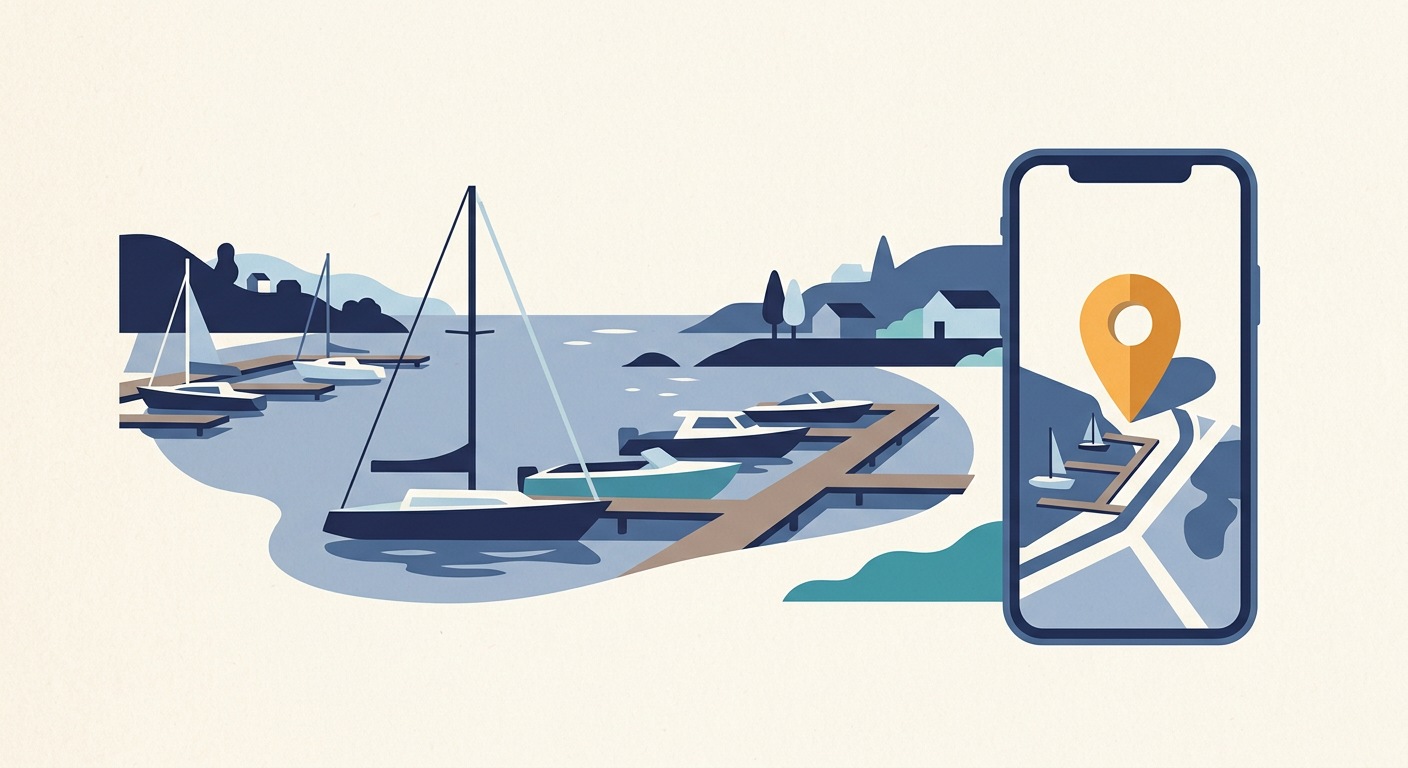
Your next buyer starts on a phone, not the pier.
If you’re not visible before launch day, someone else is.
Here’s how to show up first and turn searchers into dock visits.
Boat dealer SEO is about owning local, brand, and service searches so marine shoppers find you before they ever see the water.
Why boat dealer SEO matters before shoppers hit the dock
Marine buyers do more research than impulse buyers. They compare brands, hull types, storage options, and service before stepping aboard.
If your content answers those questions locally, you become the easy choice to visit next.
The payoff is consistent organic traffic that feeds sales, service, and storage year-round, not just in-season.
What “boat dealer SEO” actually covers
It’s not just inventory pages. It’s a content system that aligns with buyer intent at every stage.
You need pages for brands and models, local water hotspots, service and storage, financing and insurance, and helpful blog content.
For a full overview tailored to your niche, see our focused playbook for marine dealer SEO.
The buyer journey for marine shoppers
Boat shoppers move through clear stages: dreaming, narrowing, ready-to-see, and ready-to-buy.
Match content to each stage so you’re found early and remembered later.
- Dreaming: lifestyle posts about local lakes and use-cases.
- Narrowing: brand comparisons, model lineups, trailer and tow guides.
- Ready-to-see: local inventory, appointment prompts, marina proximity.
- Ready-to-buy: trade-in, financing, delivery, service onboarding.
Seasonality matters. Spring research spikes, summer service surges, and fall storage searches pick up.
Map your content calendar to those shifts so you stay visible when intent changes.
Local pages that win lakes, bays, and neighborhoods
Most organic wins in marine come from localized content that matches the way people search.
Build pages for the exact water bodies, towns, and neighborhoods you serve, then connect them to relevant inventory and service.
- “[Boats for Lake Travis]” style pages that speak to launch ramps, slip sizes, and typical water conditions.
- Town and shoreline pages highlighting proximity, driving directions, and local regulations.
- Seasonal guides: spring commissioning, late-summer maintenance, winterization and storage.
- Delivery radius pages for pick-up, launch support, and mobile service.
Each local page should include unique photos, clear CTAs, and links to inventory suited for that water (e.g., wake boats vs. center consoles).
Inventory, brands, and model pages
Brand and model queries convert. They also carry strong local intent when paired with city or lake names.
Create structured pages for top brands, then spin up model-level pages with clear specs and local relevance.
- Brand overview pages with model families, uses (fishing, wake, cruising), and maintenance expectations.
- Model pages with trim breakdowns, seating, tow vehicle considerations, and real-world use on nearby water.
- Accessory bundles and trailer options that tie directly to use-cases and storage needs.
- Trade-in and upgrade guides that keep existing boaters in your orbit.
Use unique photos and owner FAQs. Avoid duplicate OEM copy.
Service, parts, and storage content
Service and storage keep revenue moving outside peak selling months.
Build out specific pages for maintenance categories and storage capacities.
- Routine maintenance: 100-hour service, oil and impeller changes, battery checks.
- Repairs: fiberglass, gelcoat, electronics, outboard and sterndrive work.
- Seasonal: spring commissioning, winterization, shrink wrap, storage options.
- Add-ons: detailing, vinyl repair, trailer service, electronics install.
Each page should list what’s included, what to expect, turnaround timelines, and how to book.
Blog topics that consistently rank
Blogs support discovery and internal linking while answering questions buyers actually ask.
Focus on practical, local, and comparison content.
- “Best boats for [Local Lake] wakeboarding” and “Where to launch near [Neighborhood].”
- “Outboard vs sterndrive: which fits [Local Bay] conditions?”
- “How to choose the right trailer and tow vehicle for a 22-foot wake boat.”
- “Pre-winter checklist for [City] boat owners” and “Spring commissioning timeline.”
- Brand comparisons that reflect your in-stock specialties and service strengths.
Tie each post to relevant inventory, service, and location pages with clear links and next steps.
On-page SEO fundamentals for boat dealerships
Get the basics right and every page performs better.
- Title tags: include brand/model and local terms (lake, city, region).
- H1/H2s: mirror search phrases naturally; avoid stuffing.
- URLs: short, lowercase, include the target term.
- Images: compress, alt text with context (brand, model, lake, use-case).
- Internal links: connect discovery content to high-intent pages.
- CTAs: book an appointment, schedule service, request a call—make it obvious.
Schema helps search engines understand your pages. Use product, local business, and FAQ where appropriate.
Internal linking that moves shoppers toward inventory
Link structure matters as much as keywords. It determines how authority flows across your site.
Every blog and local page should point to nearby inventory, brand pages, and service bookings.
Create hub pages for big lakes and brand families, then link out to models, FAQs, and service items.
That reduces pogo-sticking and guides readers to action without feeling salesy.
DIY, agency, or automation? What fits a marine store
Your resources, timeline, and platform should guide your approach.
Here’s how the common options stack up for boat dealership SEO:
| Approach | What you get | Strengths | Trade-offs | Best fit |
|---|---|---|---|---|
| DIY | In-house planning, writing, publishing | Full control, deep local knowledge | Time-heavy, inconsistent cadence | Teams with a dedicated marketer |
| Traditional agency | Strategy, content, reporting | Hands-off production, expertise | Higher cost, slower iterations | Multi-location groups with larger budgets |
| Automation platform | Planned topics, optimized drafts, scheduled publishing | Consistent volume, cost-efficient, fast | Needs brief local tuning | Stores that want scale without staff |
If you’re weighing partners, see how automation compares in our breakdown of Dealer Blogs vs an SEO agency.
How to measure results from boat dealer SEO
Track the indicators that show momentum, not just rank snapshots.
- Non-brand organic clicks and impressions to priority pages.
- Local page entrances and time on page.
- Blog-assisted conversions (calls, form fills, appointment clicks).
- Service and storage page bookings outside peak months.
- Direction requests and call volume growth from organic.
Report by content cluster: lakes/locations, brands/models, service/storage, and seasonal guides.
Tie wins to simple actions: more calls, more appointments, more walk-ins referencing your content.
A 90-day content plan for marine dealership marketing
You don’t need a year-long project to see impact. Start with a tight, useful sprint.
- Week 1–2: Build 3 lake/shoreline pages + 1 brand hub.
- Week 3–4: Publish 2 model pages tied to that brand.
- Week 5–6: Add 2 service pages (spring commissioning + trailer service).
- Week 7–8: Post 2 local blog guides (launch spots + wake zones).
- Week 9–10: Publish 1 comparison post (outboard vs sterndrive for [Lake]).
- Week 11–12: Refresh titles/meta, add internal links, compress images.
Re-measure after 90 days and double down on the cluster showing the fastest lift.
Scale it without more staff
Publishing weekly is what compounds results. That’s hard to sustain in-season.
This is where a purpose-built platform helps you keep cadence without adding headcount.
If you want consistent output and topic planning without reinventing the wheel, explore our dealership SEO software.
It works alongside your team so you can stay focused on photos, offers, and local details that make content feel real.
Your website platform shouldn’t hold you back. Publishing can be automated on common dealer stacks.
If you’re on WordPress, see how scheduling and formatting work with our WordPress dealership blog automation.
Content quality signals that move the needle
Search engines favor content that demonstrates experience, expertise, and trust.
- Real photos from your dock or delivery routes.
- Practical tips specific to your lakes and weather.
- Author bylines tied to techs or sales pros.
- Clear policies: service timelines, storage terms, scheduling windows.
- Fast loads on mobile and easy-to-tap CTAs.
Small touches like checklists, dock maps, or seasonal calendars make pages stickier and more linkable.
Technical checkpoints for marine dealership sites
Crawlability and speed are the foundation. Don’t skip them.
- Clean navigation that surfaces brands, locations, service, and blogs.
- XML sitemap and noindex on thin or duplicate pages.
- Image optimization for large gallery uploads.
- Fix broken links after inventory rotations.
- Core Web Vitals: keep it fast on cellular connections near the water.
Review site health quarterly, especially after platform updates.
Brand co-op and compliance without copy-paste
OEM assets help, but duplicate copy won’t rank well locally.
Use OEM specs as scaffolding, then add local context, owner FAQs, and your own photos.
Keep claims conservative and avoid unverifiable superlatives.
Turning readers into appointments
SEO traffic pays off when you make taking the next step effortless.
- Multiple CTAs per page: call, text, book visit, get service quote.
- Simple forms: name, contact, preferred time, lake of use.
- Dynamic recommendations: suggest models tuned to the local water page they came from.
Follow up quickly and reference the page they viewed to keep the conversation grounded in their goals.
Team workflow that actually sticks
Give someone ownership of photos and local notes, and let a system handle the rest.
Establish a weekly 30-minute review: approve topics, add local tips, schedule posts.
Consistency beats bursts. Aim for one new page or post per week.
Avoid common marine SEO pitfalls
A few missteps can stall momentum.
- Thin location pages with the same boilerplate.
- Generic brand pages copied from OEMs.
- No internal links from blogs to inventory or service.
- Letting seasonal pages go stale year over year.
- Publishing five posts in May and none until spring.
Fixing internal links and refreshing seasonal pages can unlock fast gains.
When to consider outside help
If content cadence slips or your team is buried in-season, it’s time to simplify.
You can keep strategy in-house and outsource production, or automate routine publishing to stay on schedule.
When comparing options, review deliverables, reporting clarity, and how they integrate with your platform.
For cost expectations across approaches, see realistic ranges in our dealership SEO pricing overview.
From plan to action in one week
Start with the three pages that will matter most this season: one lake page, one brand hub, one service page.
Layer in two helpful blogs tied to those pages and link them together.
Then keep the rhythm weekly—small, consistent wins compound.
If you want a faster path to that weekly cadence, our platform lines up topics, drafts, and scheduling for you.
You can review, add local details, and publish in minutes—not hours.
When you’re ready to see pricing and simple plans, check our pricing and choose a rollout that fits your calendar.
Final thoughts
Boat dealer SEO works when your content mirrors how real boaters search your lakes, bays, and neighborhoods.
Focus on local pages, brand/model depth, and service/storage coverage, then keep publishing consistently.
The dealers who win make it easy for shoppers to find answers before they ever reach the dock—and even easier to book the next step.
Related resources
- Marine Dealer SEO — Deep dive on local content strategy for boat and marine stores.
- Dealership SEO Software — Automate planning, drafts, and publishing to keep a weekly cadence.
- WordPress Dealership Blog Automation — How to schedule and publish on WordPress dealer sites.
- Dealership Blog Automation: How to Publish Fresh Content Without a Marketing Team — Practical workflow ideas to stay consistent.
- Dealership SEO Pricing: What You Should Actually Be Paying (and What Drives Cost) — Understand costs and what impacts them.
Related articles
SEO for RV Dealers: How to Attract Buyers Before They Visit the Lot
RV dealer SEO helps you reach shoppers months before they visit the lot. Learn the local content, structure, and tracking that turn searchers into store visits.
Aug 11, 2026 · 8 minDealer SEOSEO for Marine Dealers: How Boat Buyers Search Online
Understand how boat shoppers search and build a marine dealer SEO plan that captures local demand and drives qualified leads from search.
Sep 4, 2026 · 8 minLocal SEOLocal SEO for Car Dealers: Get Found by Buyers Ready to Visit
Local SEO for car dealers that turns searches into store visits. Here’s how to rank for nearby buyers and track what actually drives walk-ins.
Jul 27, 2026 · 8 minDealer Blogs plans topics, drafts optimized posts, and schedules publishing for your marine dealership site. You review, add local details, and go live in minutes.