
What Blog Topics Should US Car Dealerships Write About to Attract In-Market Buyers
Turn your blog into a lead engine. Here are the car dealership blog topics that attract in-market buyers and convert local searches into test drives and inquiries.
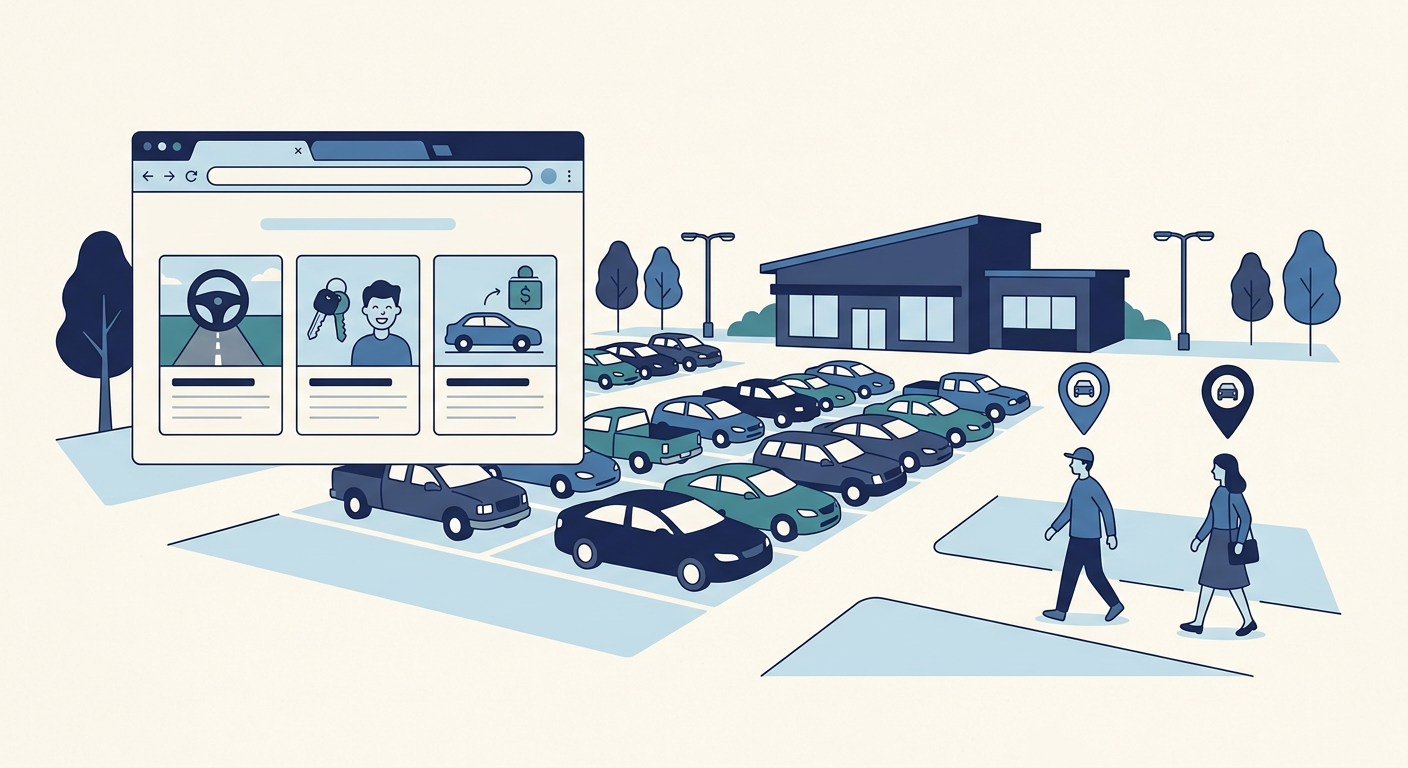
Car dealership blog topics can either attract in-market buyers or miss the mark.
If you’re publishing but not seeing leads, the topics are the issue, not the effort.
Here’s how to plan posts that capture ready-to-buy shoppers in your city.
Why blog topics matter for in-market buyers
In-market buyers search with intent. They’re comparing trims, pricing options, and availability, and they want specific local answers.
When your posts match those questions, you earn clicks, time-on-page, and conversions. That’s the core of effective automotive content and the foundation of Car Dealership SEO.
The right topics move shoppers from browsing to action by removing uncertainty: which model fits, what it costs, how to buy, and how to get it nearby.
The content types that move shoppers to contact you
Focus on topics that map to shopper decisions and dealership actions. If a post can reasonably lead to a call, form, or visit, it’s worth writing.
- Model and trim explainers tied to current manufacturer lineups
- Model vs model comparisons across trims or competitors
- Budgeting guides (out-the-door considerations, taxes, fees, insurance factors) without quoting specific rates
- Trade-in and selling your car process guides
- Financing steps and paperwork expectations, with timelines and documents to bring
- Dealership process transparency (how test drives, deposits, and holds work)
- Local ownership tips (registration, inspections, winter prep, car seats, EV chargers)
Car dealership blog topics that capture test-drive intent
Use topics that help a shopper choose a specific vehicle and feel confident booking time at your store.
- Best trim for your commute, family, or towing needs
- Which engine or drivetrain to pick for local weather and roads
- Practical comparisons: compact SUV vs midsize SUV for city parking
- New vs certified pre-owned for total cost of ownership
- What to check on a test drive and how to book one
- How to reserve an incoming unit or place a factory order
Localize every topic for your market
Two posts with the same idea, but only one mentions your city’s roads, weather, and rules. The localized post wins. Borrow ideas from these local SEO strategies for US cities.
Add specific highways, neighborhoods, and use cases, plus local procedures buyers care about. This signals relevance to both shoppers and search engines.
- Name your city, nearby suburbs, and commuter routes
- Reference weather realities (snow, heat, hills, flooding)
- Tie features to local life (parking garages, car seats, road trips)
- Explain local paperwork (state inspection, emissions, temporary tags)
- Mention regional incentives or charging infrastructure for EVs
- Suggest nearby test-drive routes and what they reveal
Finance and trade-in topics without risky claims
Money questions are high-intent, but they require safe wording. Be helpful, transparent, and avoid quoting specific APRs, payments, or guarantees.
Explain steps, timelines, documents, and what affects approvals without promising outcomes. Teach readers how to prepare and what to expect at your store.
- How financing works at a dealership and what lenders consider
- Documents to bring for financing and trade-in (ID, proof of income, title)
- How to estimate a trade-in value and what affects appraisal
- Difference between pre-qualification and full application
- Co-signer basics and when it may help
- Lease vs finance considerations for local driving patterns
Service and parts topics that feed sales
Service content brings existing owners back and builds trust with people who haven’t bought yet. It also ranks for high-volume local searches.
Tie maintenance to ownership costs and long-term value. When buyers see you as a helpful resource, they’re more likely to shop with you.
- Maintenance schedules by mileage and driving conditions in your area
- Tire, brake, and battery lifespans with local weather factors
- OEM vs aftermarket parts and when each makes sense
- Seasonal service checklists (winterization, summer road trips)
- Understanding warranties and recall steps
- When to repair vs replace an older vehicle
Seasonal and inventory-driven topics
Seasonal content catches surges in demand. Inventory-driven content captures shoppers when you have the right units on the ground or inbound.
Blend evergreen topics with time-sensitive posts. That way, your blog works year-round and spikes when buyers are most active.
- Best AWD/4WD models for winter roads in your city
- Summer road trip SUVs with cargo and towing examples
- Back-to-school cars for teen drivers and safety features
- Family minivan vs 3-row SUV comparisons before holidays
- EV charging at home and local public station tips
- How to reserve incoming allocations during peak demand
Comparison: evergreen vs seasonal vs local topics
Balance your calendar. Each topic type serves a purpose across the funnel and the calendar.
| Topic Type | Buyer Stage | Example Titles | SEO Goal |
|---|---|---|---|
| Evergreen (always relevant) | Mid to bottom | Trim guide, model vs model, test drive checklist | Build consistent traffic and convert intent |
| Seasonal (time-bound) | Mid | Winter AWD guide, summer towing prep, holiday family haulers | Capture demand spikes and timely searches |
| Localized (geo-specific) | Bottom | Best commuter SUV for [City], how to register a new car in [State] | Win local SERPs and drive store visits |
Rotate all three. Evergreen builds a foundation, seasonal adds momentum, and local topics close the gap between interest and a visit.
How to generate car dealership blog topics at scale
Start with your inventory, CRM questions, and sales conversations. Then use workflows inside your dealership SEO software to turn those inputs into an organized content calendar.
AI can help with outlines and variations when guided by your rules and disclaimers. See how we structure prompts and safeguards in AI SEO for car dealerships.
- Pull search terms from PPC queries and site search logs
- Turn sales FAQ into post clusters (one question per post)
- Build model/topic matrices (trim x use-case x city)
- Repurpose delivery walkarounds into feature explainers
- Create comparison templates and fill them for top models
- Tag every idea by season and buyer stage
On-page structure that turns topics into traffic
Great topics need clean execution. Keep posts scannable, specific, and action-oriented with a clear next step.
Use descriptive titles, useful subheads, and concrete examples. End every post with a simple path to book a test drive or ask a question.
Add internal links to related posts and relevant landing pages to guide readers deeper. Keep the tone practical and free of hype.
- Title tags: model + use case + city (e.g., Best Compact SUVs for Phoenix Parking)
- Meta descriptions: promise a clear takeaway and local relevance
- H2s that mirror questions (Which trim? Which engine? What to bring?)
- Short paragraphs, bullets, and images that show features in use
- Clear CTAs: book a test drive, value your trade, contact us
How often should you publish?
Consistency beats bursts. A steady cadence helps you cover topics thoroughly, build internal links, and gather data that compounds over time.
If you’re stretched thin, consider a managed option that keeps quality high, like a car dealership blog service that follows your brand rules and compliance needs.
- Aim for 4–8 posts per month to start
- Mix 2 evergreen, 1 seasonal, 1 local-specific post per month
- Build clusters around priority models before expanding
- Refresh top performers every 6–12 months
Measure what matters and iterate
Track intent signals, not just vanity metrics. If posts lead to calls, forms, and directions, you’re on the right topics.
Tie results to revenue and adjust resources accordingly. If a topic consistently drives leads, double down. If it doesn’t, test a new angle or allocate budget to winners. When you’re ready to scale, check plan options on pricing.
- Conversions: test drives, calls, forms, chat starts
- Assisted conversions from blog visits to VDP and SRP
- Local rankings for city + model + use case terms
- Engagement: time on page, scroll depth, internal link clicks
- Content velocity and coverage across your model lineup
Final thoughts
You don’t need hundreds of posts to win. You need car dealership blog topics aligned to buyer intent, localized for your market, and published consistently.
Build a calendar that blends evergreen, seasonal, and local posts. Execute cleanly, measure outcomes, and keep iterating. That’s how your blog turns into a steady stream of in-market leads.
Related resources
- Car Dealership SEO — See how search strategy connects your content to local buyers.
- Car Dealership Blog Service — Get a managed, compliant blog that ships on schedule.
- Dealership SEO Software — Automate topic planning, publishing, and reporting.
- AI SEO for Car Dealerships — How we safely use AI to scale useful content.
- How a US Car Dealership Can Set Up Automated SEO to Generate More Local Leads — Step-by-step system for compounding results.
- The Most Effective Local SEO Strategies for Car Dealerships in US Cities — Playbook for winning geo-specific searches.
Related articles
How to Find Blog Topics That Attract Real Vehicle Shoppers
Learn how to find and validate blog ideas for car dealerships that attract real buyers, boost local SEO, and turn searchers into showroom visits.
Jul 11, 2026 · 8 minContent StrategyThe Best Blog Topics for Used Car Dealerships
Practical car dealership blog ideas that drive organic traffic and leads for used car dealers. Topic lists, examples, and a simple plan to publish consistently.
Jul 19, 2026 · 8 minContent StrategyWhy Financing Questions Make Great Dealership Blog Topics
Finance questions are the pain points shoppers search. Turn them into traffic, trust, and leads with a simple auto dealer content strategy.
Jul 14, 2026 · 8 minDealer Blogs plans, writes, and publishes the in-market content your shoppers search for. Automate your calendar without sacrificing compliance or quality.