
What Content Performs Best for Powersport Dealerships Reaching Canadian Buyers
What Canadian riders actually search for isn’t guesswork. Here’s the content that brings qualified traffic and leads to powersports dealerships across Canada.
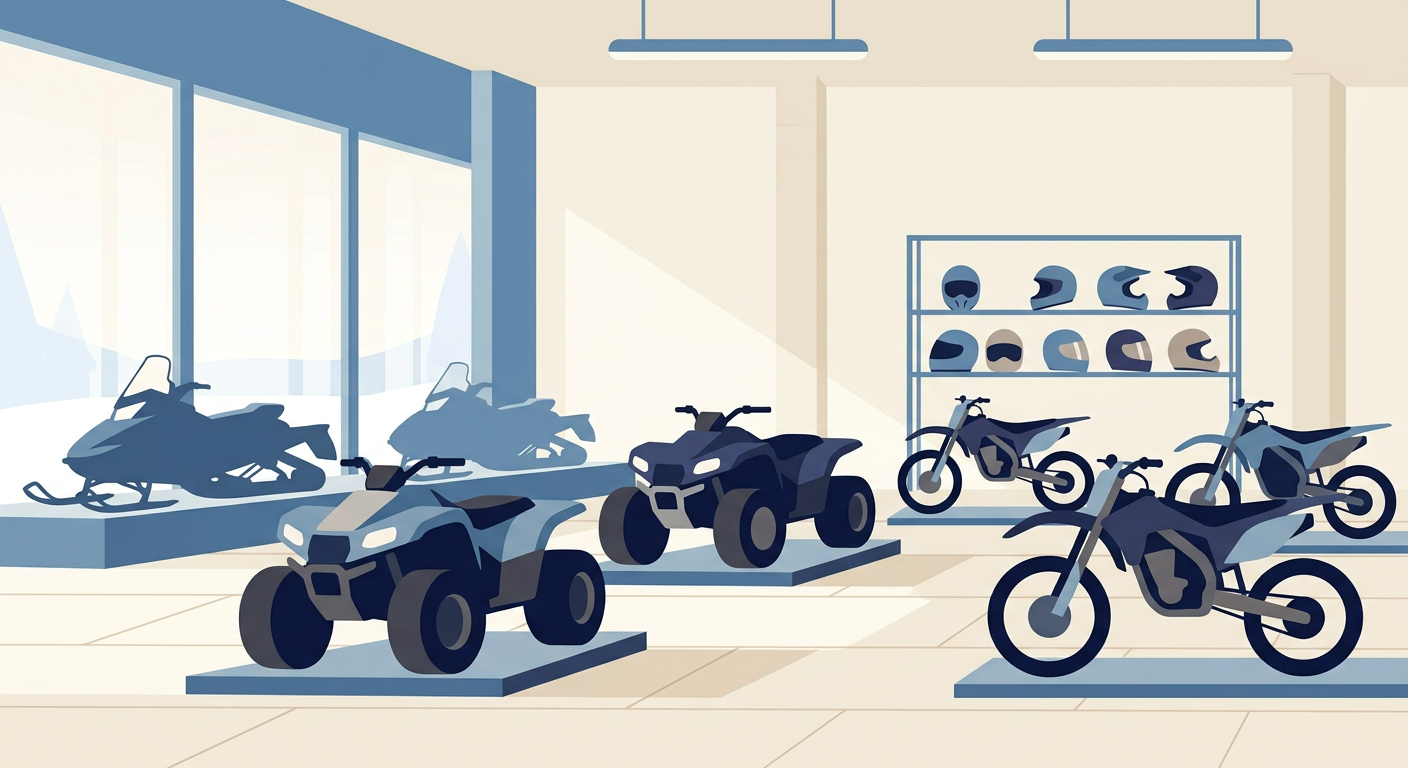
Here’s the blunt truth: most dealer blogs are written for the algorithm, not the rider. If you want traffic that turns into leads, your powersport dealership content Canada strategy has to match how Canadians actually shop.
Start with rider intent, seasonality, and local terrain. Then build topics around what your store can deliver: units, parts, service, gear, and local expertise.
What “good content” means for Canadian powersports buyers
Good content answers a rider’s next question before they ask it. It’s specific, local, and timed to the season.
If a Quebec sledder searches trail pass requirements or a BC side-by-side owner wants forestry road rules, you should be the resource. That’s how you earn clicks, time on page, and form fills.
Tie every post to a clear goal: pre-qualify a buyer, get a quote request, book service, or drive a parts order.
Match content to Canada’s powersports seasons
Canada isn’t one market. Your mix changes with province and weather, but the pattern holds:
- Winter: snowmobile features, trail prep, maintenance, avalanche basics, grooming reports, winter storage tips for bikes/ATVs.
- Spring: ATV/UTV setup, mud riding prep, tire changes, early-season service, registration and trail permits.
- Summer: PWC safety and licensing, cottage lake etiquette, adventure touring routes, dirt bike cooling and jetting.
- Fall: hunting-season ATV/UTV setups, winches and racks, storage how-tos, snow-check and sled pre-orders.
Plan 30–60 days ahead so posts index before peak demand.
Local intent beats generic copy
Riders search with city names, trail systems, and lakes. “ATV dealers near Sudbury,” “PWC licensing Ontario,” “FCMQ trail conditions.” Generic content misses those signals.
Work in local names naturally: provincial parks, regional trail clubs, popular lakes, forestry zones, and seasonal events.
Support your blog with strong service-area content and Google Business Profile updates. The same principles from local SEO playbooks apply to powersports buyers, even though the products differ.
Motorcycle dealer content that actually wins
Motorcycle riders research early. They compare gear, routes, insurance, and service intervals before they ever ask about a unit.
Topics that consistently perform for motorcycle dealer content:
- Beginner licensing routes by province (e.g., Ontario M1/M2, Quebec Class 6).
- Pre-ride checklists for spring and mid-season maintenance.
- Route guides: day trips from your city, scenic loops, fuel stops, and road surface notes.
- Tire and brake buyer’s guides matched to riding styles (touring, sport, ADV).
- Seasonal storage and battery care for condo or street parking.
Link these guides to service specials, parts availability, and quote forms.
ATV and snowmobile dealer marketing: high-intent topics
ATV snowmobile dealer marketing should be timed to weather and local rules. When the first frost hits, sled research spikes. When trails open or hunting season approaches, ATV and UTV content moves.
Proven topics:
- Sled pre-season inspection checklists and torque specs for common models.
- Trail pass and registration how-tos by province (with outbound references to official authorities, not guesses).
- Mud setup vs rock setup: tires, clutching, and snorkels explained.
- UTV accessories for hunting: racks, winches, lighting, and storage systems.
- Snowmobile clutching and belt care to prevent on-trail breakdowns.
- “Can I ride here?” posts mapping legal areas and local etiquette.
Each post should point to parts requests, service booking, or a trade appraisal form.
Service, parts, and accessories content converts
Many buyers land on your site for maintenance answers—not just units. That’s your chance to win the relationship.
Create practical “how we fix it” articles with simple language and photos. Show your process, tools, and quality control without giving away the whole repair.
Tie in clear CTAs for pick-up/drop-off, winter storage, or seasonal inspections. If you need help building this engine of content, read our approach to dealership content marketing.
Inventory-adjacent guides without compliance headaches
You don’t have to name specific units to rank and convert. Focus on use cases and specs riders care about.
Examples:
- “Sport vs utility ATV: which fits your property?”
- “Two-stroke vs four-stroke sleds in deep snow: what matters”
- “Dirt bike jetting basics for elevation changes in BC”
- “PWC licensing, safety kit, and launch etiquette in Ontario”
These posts push shoppers toward the right category while staying compliant on claims and availability.
Bilingual and regional content considerations
If you serve Quebec or bilingual markets, invest in French-language content and page templates. Don’t auto-translate technical terms without review.
Regional tuning matters too. Prairie dust vs Atlantic salt, northern cold starts vs Vancouver rain—address local realities.
Publish bilingual GBPs where applicable and keep NAP consistent across both languages.
Powersports SEO Canada: how search actually works here
Search behaviour shifts with weather and regulations. It also shifts with how AI and search features answer questions.
Keep fundamentals tight: technical SEO, internal linking, structured data, and consistent publishing. If you need scalable support, our SEO software for dealerships keeps the cadence without burning your team.
Use supporting posts to feed cornerstone guides. Group them in internal hubs (e.g., Snowmobile Hub, ATV Hub, PWC Hub, Motorcycle Hub).
Google Business Profile and content working together
Your posts help GBP rank, and GBP helps your posts get seen. Treat them as one system.
- Post updates tied to weather: “Trails opening this weekend? Pre-ride inspections available.”
- Add products for common parts and accessories with category tags.
- Use Q&A to publish common licensing and trail permit answers and link to your posts.
This compounding effect is core to effective powersports SEO Canada.
Measuring performance: KPIs that matter
Traffic is a vanity metric unless it becomes leads. Track:
- Organic sessions to content hubs and key posts.
- Assisted conversions: quote forms, service bookings, parts inquiries.
- Calls and direction requests after content visits.
- Rankings for city + category terms and featured snippet wins.
Use Search Console for queries and internal link opportunities. Align analytics events with real business outcomes.
Content production cadence that a busy store can keep
Most stores can’t write daily. You don’t have to. Aim for consistency through the year with seasonal pushes.
Simple cadence:
- 2 posts/month in shoulder seasons.
- 4 posts/month 6–8 weeks before peak season for your core categories.
- 1 evergreen guide/quarter that anchors internal links.
If internal bandwidth is tight, consider managed automotive SEO services designed for dealers that need repeatable execution.
Example seasonal content calendar
Here’s an at-a-glance view to guide planning. Adjust by province and category mix.
| Content Type | Peak Season | Buyer Intent Signal | Example Topic | CTA |
|---|---|---|---|---|
| Trail/Regulation Guides | Pre-season | Mid–high | Quebec FCMQ trail pass and rules overview | Download checklist |
| Maintenance Checklists | Pre + in-season | High | Snowmobile pre-ride torque and belt inspection | Book service |
| Accessory Buyer’s Guides | Pre + in-season | Mid | UTV winches and lighting for fall hunting | Request parts |
| Route/Area Guides | In-season | Mid | Best ADV day trips near Calgary | Subscribe for routes |
| Storage How-Tos | Post-season | Mid | PWC winterization steps and costs | Book storage |
| Comparison Explainers | Year-round | Mid | Sport vs utility ATV: which fits your land? | Get a quote |
| Safety/Licensing | Pre-season | Mid | Ontario PCOC for PWC: what to know | View safety gear |
Avoid these common mistakes
Writing for everyone. You’ll rank for nothing. Pick a rider, a season, and a location—and own it.
Publishing generic buyer’s guides copied from OEM materials. Riders want local, not boilerplate.
Skipping CTAs. Every post needs a next step aligned to the topic.
Letting posts age without updates. Refresh seasonal content yearly with new dates, rules, and photos.
How automation helps without sounding robotic
Automation should do the grunt work—scheduling, interlinking, image sizing—so you focus on local expertise.
Use templates for recurring posts (trail openings, storage, pre-season checks). Then layer in your photos, routes, and staff advice.
If you need a repeatable system with dealer-specific workflows, see our managed platform and how we compare to agencies. It’s built to publish, not just plan.
Turning posts into leads: practical CTAs
Match the CTA to intent. Don’t force a quote on a licensing article. Offer a checklist, then nudge a class or gear purchase.
Good fits:
- Licensing or pre-ride checklists delivered by email.
- Service booking for pre-season inspections.
- Parts request forms embedded under accessory guides.
- Trade appraisal under comparison explainers.
Use soft offers first, then escalate to quotes on category and comparison posts.
Photography and media that help you rank
Use original photos. Show your tech bay, local trails, and gear wall. Stock photos are fine as filler, not the feature.
Compress images, add descriptive alt text, and keep file names meaningful. Add short clips for route highlights or start-up sound comparisons.
Media earns attention and shares, which support rankings.
How AI and changing search affect your plan
AI answers the easy questions. You win by being specific, local, and helpful. Include details AI can’t spoof: your trail photos, shop process, and route maps.
We covered US powersports content patterns here, and the Canadian take shares the same spine with colder winters and bilingual realities. If you want the contrast, read this piece on content types that perform for powersports dealers in the US.
Keep publishing consistent content and refresh posts so you qualify for rich results and snippet opportunities over time.
Legal, safety, and compliance notes to include
Link to official provincial resources for licensing and trail rules. Don’t guess or imply legal advice.
Avoid absolute claims on safety or performance. Stick to best practices and what your shop has seen work locally.
Include disclaimers where needed and encourage proper training and certifications.
Building your powersport dealership content Canada plan
Start small, focus on one category at a time, and expand into hubs.
- Month 1: Publish 2 local guides (trail/legal) + 1 maintenance post.
- Month 2: Add 1 accessory buyer’s guide + 1 comparison explainer.
- Month 3: Refresh Month 1 posts with updates, add a route guide.
Use internal links from new posts to your cornerstone guides to compound authority.
Internal links that support rankings
Build hub pages for your categories and always link back from child posts. Add contextual links between related topics (e.g., a clutch care post linking to a belt buyer’s guide).
On the ops side, keep your GBP current, maintain consistent NAP, and publish weekly updates that repurpose snippets from your posts.
If you need a done-for-you workflow, our automotive content automation platform plus dealer-focused SEO tooling can keep your calendar full—without adding headcount.
What to outsource vs keep in-house
Outsource the repetitive pieces: formatting, image compression, schema, internal links, and posting cadence.
Keep the local flavor in-house: photos, staff quotes, ride routes, and service insights that only your store has.
Blend both for speed and authenticity. If you prefer a services model, compare your options and scope with proven automotive SEO services.
From content to revenue: track the handoff
Set up forms with category-specific routing: sled service goes to the winter service team, ATV accessories go to parts, etc.
Use call tracking on high-intent pages and measure time-to-appointment from first content visit.
Monthly, review which posts assisted the most revenue and double down with follow-ups and refreshes.
Final thoughts
Your content doesn’t need to be fancy. It needs to be helpful, local, and timed to the season. That’s what wins Canadian riders.
Start with one category and one season, publish consistently, and build internal hubs as you go. When in doubt, answer the exact questions riders ask at your counter—and do it before the rush hits.
If you want a repeatable system that keeps your calendar full and your GBP active, we can help you publish on schedule without losing your store’s voice.
Related resources
- Powersports Dealer SEO: SEO for ATV, UTV, snowmobile, and PWC dealers.
- Powersports Dealer SEO — SEO for ATV, UTV, snowmobile, and PWC dealers.
- Motorcycle Dealer SEO — Street-bike specific SEO and content strategy.
- AI SEO for Car Dealerships — How AI search changes how shoppers find dealership inventory.
- How ChatGPT Decides Which Canadian Car Dealerships to Recommend for Local Searches — Related reading in the ai search & ai stock search cluster.
- Heavy Equipment Dealer SEO — The full SEO playbook for construction, farm, and tractor dealers.
Related articles
What Types of Content Perform Best for Powersports Dealerships Reaching US Buyers Online
See which content types consistently attract and convert US powersports buyers. A practical playbook for powersports dealership content marketing that drives leads.
Sep 3, 2026 · 8 minDealer SEOSEO for Auto Service Shops: How Content Brings in More Service Customers
How automotive SEO services and smart content help auto service shops attract more local repair customers and steady shop bookings.
Sep 6, 2026 · 8 minDealer SEOSEO for Trailer Dealers: Local Content That Drives Buyer Leads
Practical trailer dealer SEO tactics to publish local content, rank for buyer searches, and turn clicks into calls, form fills, and walk-ins.
Sep 5, 2026 · 8 minDealer Blogs plans, writes, and publishes seasonal, local posts that rank and convert—built for busy dealerships. Keep your calendar full without adding headcount.